
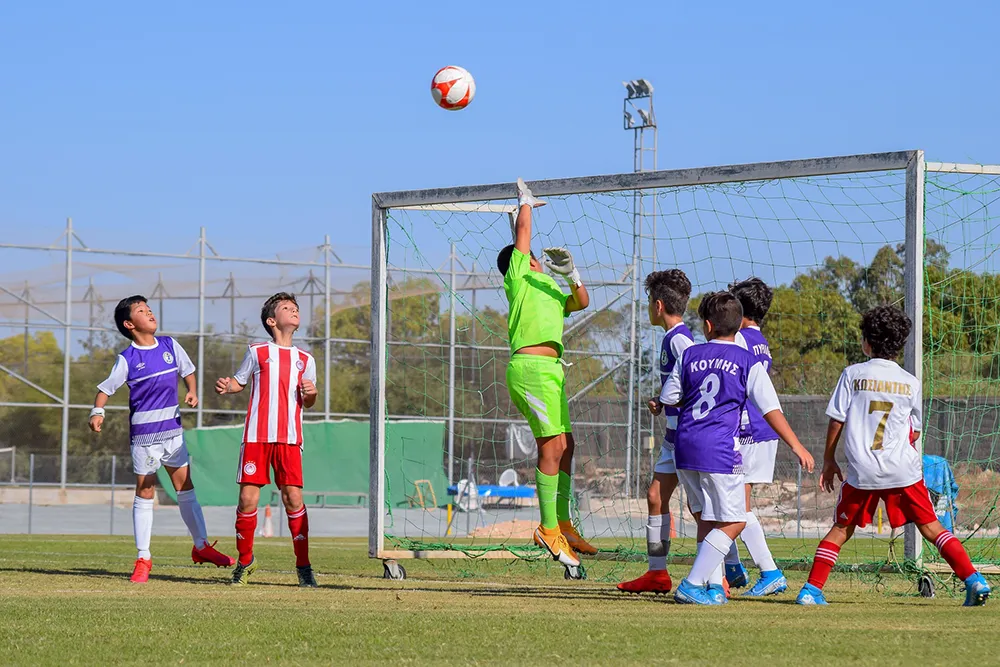
PARENTING WITH PURPOSE – Raising Resilient Athletes — Not Pressured Ones
By Jacqueline P. Cheng
Spring often marks a shift for families, with longer days, packed schedules, and a renewed focus on youth sports. Fields fill up, gym bags reappear, and calendars begin to revolve around practices and games.
Sports can be incredibly powerful for children. They build confidence, discipline, teamwork, and resilience. Yet somewhere along the way, what begins as play can quietly turn into pressure, and that’s when we start to see the emotional cost.
As a family lawyer and parenting coach, I’ve worked with countless adults who once loved their sport — until they didn’t. The patterns are consistent, as what children experience on the field often follows them long after childhood ends.
When Pressure Replaces Play
Children thrive when challenge is paired with enjoyment, but when pressure takes over, the nervous system shifts from learning to survival. Pressure can come from many places: coaches, parents, peers, or the child themself.
Research shows excessive performance pressure activates stress responses that interfere with confidence, motivation, and emotional regulation. Instead of focusing on growth, kids begin to focus on not messing up. This often leads to one of the most common struggles young athletes face — the fear of mistakes.
Mistakes are essential for learning.
Yet many children internalize errors as failure, worrying they’ve let the team down or disappointed adults they care about. Over time, this fear can drain joy from the sport and replace it with anxiety.
Children who fear mistakes don’t play freely. They play cautiously, and this type of play is rarely joyful.
Burnout Isn’t Just Physical — It’s Emotional
Burnout doesn’t happen overnight; it builds quietly through overscheduling, constant evaluation, and lack of recovery time. Too many practices. Too many games. Too many sports at once. The developing brain needs downtime to integrate learning, regulate emotions, and restore motivation. Without it, children may become irritable, disengaged, or suddenly “lose interest” in a sport they once loved. This isn’t laziness. It’s a nervous system asking for rest.
Evidence indicates children benefit most when sports are developmentally appropriate, with space for rest, free play, and unstructured time. More isn’t always better.
Keeping Balance In A Performance-Driven Culture
One of the biggest risks in youth sports today is a child’s identity becoming tied solely to performance.
When children begin to believe their value depends on how well they play, whether they win, or whether they make the team, their self-worth becomes fragile.
In my legal work, I’ve seen how this plays out later in life — adults who struggle with perfectionism, people-pleasing, fear of failure, or difficulty separating who they are from what they do.
Children need to know they are valued on and off the field, through both their best and worst days. This message doesn’t come from trophies. It comes from relationships.
How Parents Can Protect Both Performance & Well-Being Healthy sports participation doesn’t require lowering standards; it requires shifting perspective.
A few science-backed ways parents can help:
- Focus feedback on effort and learning, not outcomes. “What did you learn today?” is far more powerful than: “Did you win?”
- Normalise mistakes. Mistakes signal growth, not weakness.
- Watch for emotional cues. Irritability, withdrawal, or dread around sport are signals of stress, not discipline problems.
- Protect balance. Ensure time for schoolwork, friendships, rest, and family connection.
- Model perspective. How parents talk about competition, referees, and losses teaches children how to regulate disappointment.
The Bigger Goal
Sports are not meant to raise perfect athletes — they are meant to raise healthy humans.
When children feel supported rather than pressured, they build confidence that lasts beyond the season. They learn resilience without fear. They develop discipline without burnout.
The goal isn’t to remove challenge, it’s to ensure challenge exists alongside safety, joy, and balance.
The most successful athletes, and the most fulfilled adults, aren’t the ones who never failed. They’re the ones who learned they were worthy even when they did — and kept going anyway.
Jacqueline P. Cheng is an empowered parenting coach (Jai Institute for Parenting), a mother of three and an Attorney. She is also a Positive Discipline Association Parent Educator. Contact Jacqueline via her Transforming Parenting website.
